

Within the current competitive commercial landscape, fostering strong relationships with customers is more important than ever. Companies are increasingly turning to Customer Relationship Management solutions to streamline their interactions and enhance client satisfaction. By adopting efficient CRM systems, companies can handle client data, track engagements, and analyze patterns, leading to better decision-making and, in the end, increased profitability.
The benefits of CRM solutions extend far beyond basic contact management. With features designed to automate tasks, customize client experiences, and encourage collaboration among groups, organizations can operate much effectively and adapt to the evolving needs of their customers. In this article, we will examine the numerous benefits CRM solutions bring to organizations, highlighting their importance in maximizing efficiency and driving expansion.
Streamlining Consumer Interactions
Utilizing CRM software transforms the manner organizations connect with their customers by integrating data and enhancing contact. With all consumer information available in a single place, employees can quickly reply to questions and provide more personalized service. This immediate access to client history and likes helps foster a seamless experience, making clients feel appreciated and acknowledged.
In addition, CRM solutions often include built-in contact features that enhance communication through different channels, such as electronic mail, phone, and messaging. Using crm software unified platform reduces reply times and guarantees that employees are aligned regarding consumer interactions. By breaking down silos of data, organizations encourage productive partnership, which ultimately leads to enhanced consumer satisfaction and loyalty.
In addition, Customer Relationship Management systems allows businesses to streamline repetitive duties associated with client engagements. Automated follow-ups, reminders, and client analytics can be overseen effortlessly, enabling employees to focus on developing relationships rather than being burdened by administrative tasks. This productivity not only boost staff productivity but also leads to a more consistent and enjoyable interaction for consumers.
Improving Information Handling
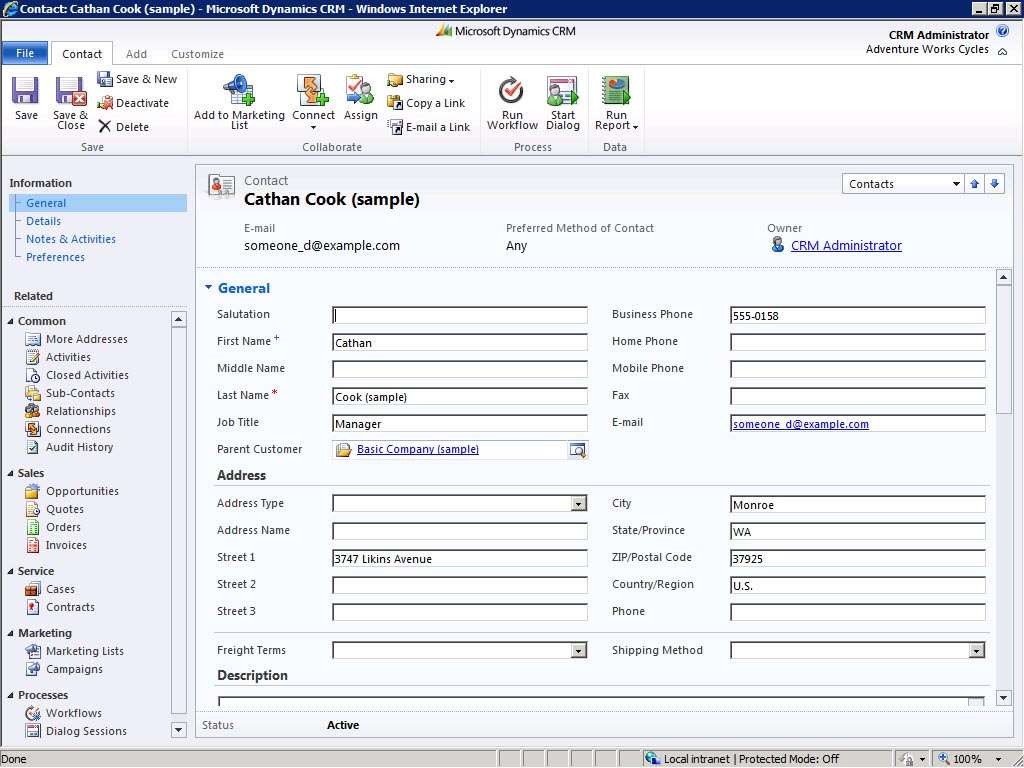
CRM software significantly boosts data management by centralizing client data into a single, available platform. This consolidation permits companies to eliminate data barriers, ensuring that all employees have access to latest and precise consumer data. By lowering the chance of errors and inconsistencies, departments can make more informed choices that boost client interactions and associations.
Additionally, Customer Relationship Management systems enable progressive information analysis and reporting features. With strong analysis tools, organizations can track consumer behavior, choices, and patterns over time. This understanding permits companies to customize their promotion tactics and customer service solutions to meet the specific needs of their consumers, leading to increased satisfaction and loyalty. The ability to utilize data effectively allows organizations to remain relevant in a dynamic environment.
Moreover, CRM software optimizes data entry and handling processes, using automation to minimize hand-operated work. Automated features help in gathering client interactions across multiple contact points, ensuring that no data is neglected. This efficiency not only saves hours for employees but also boosts overall output, allowing teams to focus on more important projects that promote business expansion.
Enhancing Sales Results
Implementing CRM systems can greatly enhance sales results by providing sales teams with key insights and resources to streamline their operations. With a unified database, sales professionals can quickly access customer information, track interactions, and analyze purchase history. This availability allows them to adapt their sales pitches to meet specific client requirements more efficiently, consequently building deeper relationships and boosting conversion percentages.
Moreover, CRM systems offer reporting features that enable sales teams to spot trends and gaps within their client base. By utilizing data analytics, teams can discover which products or services are popular and which approaches are not yielding the expected results. This analytics-based approach allows sales teams to take informed choices regarding their sales tactics, optimizing their strategies and increasing their efficiency.
In conclusion, the automation features of CRM systems can minimize the administrative burden on sales representatives, allowing them to concentrate more on selling. Tasks such as follow-up reminders, report generation, and tracking leads can be automated, resulting in more efficient workflows. By minimizing time dedicated to repetitive tasks, sales teams can dedicate more energy to building client relationships and finalizing sales, thereby increasing income for the business.